

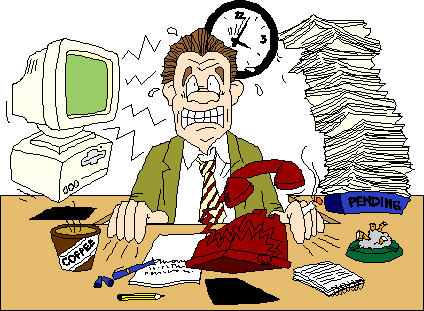
Work pressure, rapid change, and blurred work-life boundaries make stress a constant at most offices. You can learn practical techniques that reduce overwhelm, protect your mental health, and keep your productivity steady without sacrificing well‑being. Start by using targeted coping strategies—time management, boundary setting, brief restorative breaks, and seeking support—to lower daily stress and prevent burnout.
This article will help you recognize clear signs of occupational stress, apply evidence‑based tactics at work, and shape a supportive environment with leadership and technology that actually help. Expect actionable steps you can test immediately and simple ways to measure whether those changes improve your day-to-day resilience.
Understanding Workplace Stress in the Modern Era
You face tight deadlines, constant connectivity, and shifting expectations that affect both daily performance and long-term wellbeing. The following subsections identify the main stress sources, how technology changes demands, and how workplace culture shapes mental health.
Key Stressors in Office Environments
High workload and unrealistic deadlines rank among the top stressors you encounter. When managers assign overlapping projects without adjusting timelines, you likely work longer hours and sleep less, which harms concentration and increases error rates.
Role ambiguity and conflicting expectations also create chronic stress. If job responsibilities change without clear communication or if multiple supervisors give competing directions, you expend mental energy resolving uncertainty instead of producing work.
Interpersonal conflicts and lack of support amplify stress. Poor feedback, perceived favoritism, or inadequate managerial coaching make it harder to recover from setbacks. Physical factors — such as poor ergonomics, noisy open-plan offices, or inadequate break space — add to cognitive load and fatigue.
Impact of Technological Advancements on Stress Levels
Technology increases speed and volume of work while blurring boundaries between work and personal life. Email, messaging apps, and collaborative platforms push you to respond outside core hours, which raises baseline stress and reduces recovery time.
Constant notifications fragment attention and lower productivity. Frequent task-switching from messages or meeting requests increases cognitive cost; you finish fewer deep-focus tasks per day. Automation and AI change role expectations, creating uncertainty about skill relevance and future job security.
Remote and hybrid tools shift the stressors rather than remove them. You may gain schedule flexibility but face isolation, meeting overload, and the pressure to appear constantly available. Clear norms for response times, meeting agendas, and async work reduce these tech-driven stressors.
Workplace Culture and Mental Health
Psychological safety matters for your ability to speak up and seek help. In cultures where mistakes lead to blame, you hide problems and carry stress alone, which worsens burnout risk. Conversely, transparent feedback and supportive leadership let you address issues early.
Recognition and fair reward systems affect motivation and stress. Regular, specific appreciation and equitable workload distribution lower resentment and increase resilience. If promotions or evaluations seem opaque, you experience chronic uncertainty and disengagement.
Policies and programs shape daily experience. Access to counseling, flexible hours, and structured break times provide practical support. Training managers to spot stress signals and to make reasonable workload adjustments has measurable effects on retention and mental health.
Signs and Symptoms of Occupational Stress
You may notice changes in your body, emotions, and behavior when workplace pressure becomes excessive. Early recognition helps you act before performance, health, or relationships suffer.
Physical and Psychological Indicators
You might experience persistent headaches, muscle tension (especially neck and shoulders), and disrupted sleep such as trouble falling asleep or waking early. Appetite changes, frequent fatigue despite adequate rest, and increased susceptibility to colds signal that your body’s stress response is active.
On the psychological side, look for difficulty concentrating, racing or intrusive thoughts about work, and heightened irritability or mood swings. Anxiety symptoms (restlessness, excessive worry) and low mood or feelings of helplessness are common. If these signs occur most days for weeks, they warrant attention.
Behavioral Changes Among Office Workers
At work, you may miss deadlines more often, make more mistakes, or withdraw from team discussions. You might notice a rise in absenteeism or arriving late, plus reduced initiative and avoidance of complex tasks.
Outside work, people often cope with stress through increased alcohol, caffeine, or comfort eating, or by isolating from friends and family. You may also find yourself constantly checking emails after hours or overworking to “catch up,” which perpetuates the cycle of stress.
Long-Term Effects of Chronic Stress
If stress persists, expect sustained impacts on your cardiovascular system such as elevated blood pressure and increased risk of heart disease. Chronic sleep disruption and immune suppression can lead to repeated infections and slower recovery from illness.
Mentally, prolonged stress increases the risk of burnout, clinical depression, and anxiety disorders. It also impairs memory and decision-making over time, making it harder for you to perform complex tasks and maintain professional relationships.
Effective Stress Management Strategies for Office Workers
You will find practical, actionable tactics that reduce workload pressure, calm your mind during the day, and protect personal time. Each approach gives concrete steps you can apply immediately at your desk or in your schedule.
Time Management Techniques
Prioritize tasks with a simple system: identify your top three outcomes for the day and block time for them first. Use time blocks of 60–90 minutes for deep work and schedule 10–15 minute breaks between blocks to reset focus.
Keep a single task list and split items into “Do Today,” “Delegate,” and “Defer.” Use a calendar to book work, not just meetings. Turn off nonessential notifications during deep-work blocks and use a timer (Pomodoro or similar) to enforce discipline.
Automate or template routine tasks—email responses, reporting spreadsheets, and meeting agendas. Review your weekly calendar each Friday and move low-value items out to create space for priority work the next week.
Mindfulness and Relaxation Practices
Start brief mindfulness sessions you can do at your desk: 3–5 minutes of focused breathing or a grounding scan to reduce acute anxiety. Practice a single breathing technique—box breathing (4-4-4-4) or 4-7-8—to use before presentations or after tense calls.
Integrate micro-breaks: stand, stretch, or do shoulder rolls every hour. Use progressive muscle relaxation for 5 minutes if tension builds. Try a guided 10-minute seated meditation once a day using a reliable app or an internal quiet room if available.
If you feel overwhelmed, label the emotion silently (“frustration,” “fatigue”) and then take one concrete action—send a quick clarifying message, reschedule a task, or step outside for sunlight—to interrupt the stress cycle.
Healthy Work-Life Balance Habits
Set clear work boundaries: define your work start and end times, and communicate them to colleagues with calendar work hours and an out-of-office template for after-hours contact. Keep at least one full day each week free of work-related tasks or messages.
Create a small end-of-day ritual to shift out of work mode—close your laptop, jot three accomplishments, and plan one personal activity for the evening. Reserve nonwork time for activities that restore you: exercise, social connection, hobbies, or sleep hygiene.
Limit evening screen time related to work. If you must check messages, batch them to a single short session and flag items for a planned follow-up. Protect vacation days: use them for full disconnection or for low-effort restorative activities only.
Creating a Supportive Office Environment
Design the office and policies to reduce daily friction, give staff clear pathways to help, and let people adjust schedules when needed. Focus on concrete programs, regular two-way communication, and practical flexible arrangements that maintain accountability and performance.
Employee Assistance Programs
Provide an Employee Assistance Program (EAP) that offers confidential counseling, short-term therapy, and referrals for legal or financial advice. Make enrollment simple: automatic opt-in with clear opt-out instructions, a dedicated intranet page, and a quarterly reminder email that includes hours, languages supported, and contact methods.
Track utilization and outcomes without identifying individuals by collecting aggregate metrics monthly: session counts, common referral reasons, and wait times. Offer on-site or virtual sessions within 48–72 hours for acute needs, plus a crisis hotline available 24/7. Train managers to recognize signs of distress and to make warm handoffs to EAP staff using a one-page referral form.
Open Communication Practices
Establish a predictable cadence of communication: weekly team check-ins, monthly one-on-ones, and quarterly all-hands. Give managers a short agenda template that includes workload review, blockers, and personal well-being check; this keeps conversations focused and consistent.
Create multiple feedback channels: anonymous pulse surveys every two weeks, a visible ideas board for process improvements, and a clear escalation path for harassment or workload concerns. Publish response SLAs—acknowledge anonymous reports within 48 hours and resolve or assign action within 14 days—to build trust in the system.
Flexible Work Arrangements
Define clear flexible-work options: hybrid schedules (3 office days / 2 remote days), compressed workweeks (four 10-hour days), and core hours (10:00–15:00) for synchronous collaboration. Publish eligibility criteria and a simple request form that captures role, proposed schedule, and impact on deliverables.
Pair flexibility with measurable outcomes: set quarterly goals, maintain shared calendars, and require weekly status updates on key projects. Offer a trial period (often 8–12 weeks) to evaluate operational impact and adjust agreements. Ensure remote employees receive the same access to EAP, equipment stipends, and meeting opportunities to prevent hidden disadvantages.
Role of Leadership in Supporting Employee Well-being
Leaders shape daily conditions that determine how stressed or resilient your team will be. Practical actions from leaders — not slogans — create environments where workers can manage workload, recover after setbacks, and stay engaged.
Promoting Positive Workplace Culture
You need leaders who model respectful behavior, set clear priorities, and remove unnecessary obstacles to work. That means leaders regularly clarify goals, limit low-value meetings, and ensure resources match deliverables so employees can focus on meaningful tasks.
Encourage psychological safety by having leaders invite questions, accept candid feedback, and treat mistakes as learning opportunities. Use small, regular rituals — weekly check-ins, transparent project dashboards, and recognition for specific contributions — to reinforce norms.
Consider implementing measurable practices:
- Weekly one-on-one agenda with time for workload review.
- A shared “stop doing” list to cut redundant processes.
- Quarterly pulse surveys tracking workload, autonomy, and support.
Leaders must also role-model work-life boundaries. When you see managers leaving at reasonable hours and honoring vacation, employees feel permitted to do the same, which reduces chronic stress.
Recognizing and Addressing Burnout
You must equip leaders to spot early burnout signs: declining quality, withdrawal, irritability, and frequent short-term absences. Train managers to ask targeted questions about sleep, workload, and recovery habits during one-on-ones rather than relying on general “how are you?” prompts.
When burnout risk appears, take swift, concrete steps:
- Rebalance tasks: redistribute or postpone noncritical work.
- Adjust expectations: set interim deadlines and reduce scope.
- Support recovery: authorize short-term reduced hours or mental health days.
Track interventions with simple metrics: number of workload adjustments, return-to-normal timelines, and follow-up wellbeing ratings at two and six weeks. Documenting actions prevents repeated overload and shows employees you take their health seriously.
Leveraging Technology for Stress Reduction
Technology can reduce repetitive tasks, provide on-demand mental-health support, and help you set boundaries between work and personal time. Use tools that automate routine work, offer evidence-based wellbeing programs, and enable clear availability controls.
Digital Tools for Mental Health
Use clinically reviewed apps for short guided interventions like CBT, breathing exercises, or sleep hygiene. Pick apps that offer progress tracking, brief daily micro-lessons, and exportable reports you can share with a therapist if needed.
Consider workplace platforms that integrate EAPs (Employee Assistance Programs) and confidential teletherapy. Look for features such as encrypted messaging, session scheduling, and employer dashboards that show anonymized usage metrics without exposing individual data.
Adopt simple daily routines supported by tech: a 5–10 minute mindfulness break with a timer app, calendar blocks labeled “focus” to trigger Do Not Disturb, and habit trackers to reinforce healthy sleep and movement. Prioritize tools with evidence of clinical efficacy and clear privacy policies.
Remote Work Benefits and Challenges
Remote setups cut commute stress and let you design a workday aligned with your peak focus times. Use calendar zoning, clear start/stop routines, and coworking-hours rules to keep work from bleeding into evenings.
Technology can also increase techno-invasion: constant notifications and blurred boundaries raise anxiety. Turn off nonessential alerts, set email-check windows, and use status indicators in chat apps to communicate real availability.
Manage ergonomics and social needs with small investments: a quality chair, an external monitor, and weekly virtual team check-ins reduce physical strain and isolation. Combine these practical changes with strict digital boundaries to sustain remote-work benefits.
Physical Wellness and Its Effect on Stress
Physical health directly changes how you react to workload, sleep loss, and prolonged sitting. Small, consistent habits—movement, hydration, and real meals—lower cortisol spikes, improve focus, and reduce afternoon fatigue.
Exercise and Movement Recommendations
Aim for at least 150 minutes of moderate aerobic activity per week, broken into 20–30 minute sessions on most days. Prioritize brisk walking, cycling, or stair-climbing during breaks to raise heart rate and clear mental fog.
Add two short strength sessions weekly (bodyweight squats, push-ups, resistance bands) to maintain posture and reduce musculoskeletal strain from prolonged sitting. Do 1–2-minute mobility breaks every hour: stand, shoulder rolls, hip openers, and calf raises. Use a standing desk or alternate sitting/standing in 30–60 minute blocks to reduce low-back pain and improve circulation.
Schedule movement into your calendar and treat it like a meeting. Track consistency rather than intensity when your workload is heavy.
Nutrition and Hydration Tips
Hydrate proactively: target 1.5–2 liters daily as a baseline, more if you exercise or work in dry environments. Keep a reusable bottle at your desk and set hourly sip reminders.
Focus on regular, balanced meals: protein (eggs, tofu, lean chicken), complex carbs (oats, brown rice), healthy fats (avocado, nuts), and fiber-rich vegetables. A protein-rich breakfast (20–30 g) stabilizes blood sugar and reduces mid-morning cravings that worsen stress.
Limit high-sugar snacks and excessive caffeine after 2 p.m.; they increase anxiety and disrupt sleep. Prepare simple office-friendly snacks: Greek yogurt with fruit, hummus and carrot sticks, or a handful of almonds to sustain energy and blunt stress-driven overeating.
Personal Development Skills for Resilience
You will strengthen resilience most by improving how you recognize and manage emotions, and by becoming more flexible when plans change. Focus on skills you can practice daily, measure, and apply directly to work situations.
Building Emotional Intelligence
You can start by tracking emotional triggers for one week. Note situations that shift your mood, the physical signs you feel (tight chest, shallow breathing), and the thoughts that follow. This practice helps you spot patterns and reduces reactive behavior.
Develop two core habits: pause before responding, and name the emotion aloud or in a private note. Pausing gives you time to choose a constructive action. Naming the emotion reduces its intensity and improves clarity.
Use specific feedback loops: ask a trusted colleague after a meeting what they observed about your tone or body language. Combine that with one short journaling prompt each evening: “What did I manage well emotionally today?” Adjust one small behavior the next day (e.g., softer tone, one deep breath before speaking).
Improving Adaptability
Begin by mapping recent work changes that stressed you (new software, shifting deadlines). For each change, write one skill gap and one micro-step to close it (15-minute tutorial, short checklist, or a practice run). Small steps build confidence quickly.
Adopt a “test-and-learn” routine: try a low-risk experiment for a new process, measure one outcome, and iterate. This reduces perfectionism and speeds learning. Keep a short log of experiments and three lessons learned each week.
Expand your network inside the company to include two colleagues outside your immediate team. Regularly exchanging quick problem-solving tips exposes you to alternative approaches and shortens the adaptation curve when projects pivot.
Evaluating the Success of Stress Management Initiatives
You measure success by combining objective metrics with employee-reported outcomes. Use short, regular surveys to capture changes in perceived stress, job satisfaction, and work–life balance.
Track business indicators that stress influences: absenteeism, sick leave, error rates, and productivity. Compare these metrics before and after interventions and look for sustained trends rather than single-point changes.
Use a simple dashboard to display key indicators. Example:
| Metric | Baseline | 3 months | 6 months |
|---|---|---|---|
| Average perceived stress (0–10) | 6.8 | 5.9 | 5.4 |
| Sick days per employee/year | 8.2 | 7.6 | 6.9 |
| Reported errors per month | 12 | 10 | 9 |
Combine quantitative data with qualitative feedback from focus groups or interviews. Stories reveal implementation barriers and practical benefits that numbers alone miss.
Evaluate intervention fidelity: are managers following program steps, and are employees using resources? Low uptake signals a need to adjust communication, timing, or format.
Set realistic timelines and milestones. Expect incremental improvement; some measures respond faster (stress scores), while others take longer (turnover, culture).
Use control groups or phased rollouts when possible to strengthen causal inference. That helps you distinguish program effects from broader organizational changes.