

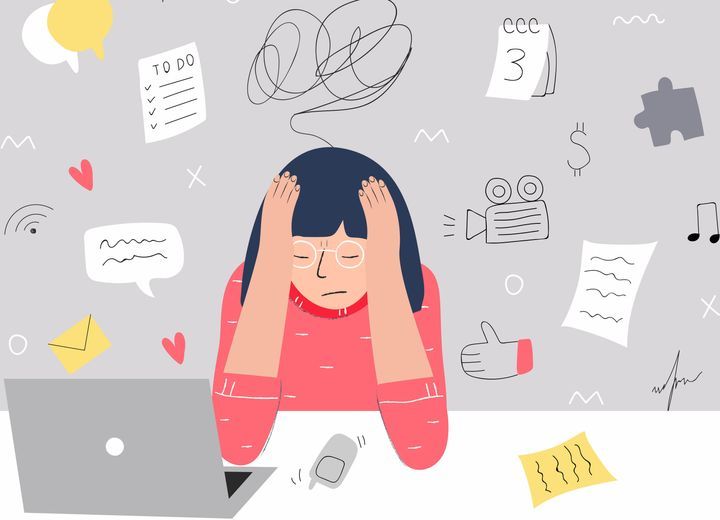
You face constant demands at work, but practical strategies can stop stress from turning into burnout. Focus on clear boundaries, targeted time management, and daily recovery habits to lower stress now and prevent long-term exhaustion. This article shows how to identify warning signs, apply simple routines that protect your energy, and use workplace resources to keep performance sustainable.
You’ll learn concrete tactics—from structuring your day and delegating tasks to short breathing practices and tracking progress—that fit into a busy schedule. Expect actionable steps you can test immediately and adapt as your workload or role changes, so you regain control without waiting for a crisis.
Understanding Work Stress and Burnout
You will learn what work stress and burnout are, how they differ, what commonly triggers stress at work, and which early warning signs to watch so you can act before performance and health decline.
Definition of Work Stress
Work stress occurs when job demands exceed the resources you have to meet them. It can be short-term (a looming deadline) or chronic (persistent understaffing), and it affects your thinking, mood, and behavior.
Physically, stress may show as headaches, sleep disruption, or muscle tension. Cognitively, you may notice reduced concentration, increased mistakes, or difficulty making decisions.
Stress becomes harmful when it persists without relief or adjustment. At that point, biological stress responses (high cortisol, sympathetic arousal) stay elevated and degrade your resilience.
Practical markers you can track include frequency of near-deadlines, hours worked beyond schedule, and recovery quality during non-work time.
Difference Between Stress and Burnout
Stress and burnout share features but are distinct conditions. Stress is an acute response to pressure that often motivates action; burnout is a prolonged state of physical and emotional exhaustion tied to chronic work stressors.
With stress, you remain engaged and can usually recover with rest or changes in workload. With burnout, you feel detached, cynical, and experience a persistent sense of reduced competence.
Burnout produces longer-lasting dysfunction: diminished performance, chronic fatigue, and sometimes depressive symptoms. Treatment differs too—stress often needs workload or coping adjustments; burnout requires sustained changes to job structure and mental-health support.
Use simple signals—energy levels, attitude toward work, and consistency of performance—to judge whether you face stress or burnout.
Causes of Workplace Stress
Workplace stress stems from demands, control, support, role, and change factors. High workload, unrealistic deadlines, and frequent interruptions increase demand and cognitive load.
Low control—limited decision authority or unclear expectations—erodes your ability to manage tasks. Lack of social support from supervisors or colleagues reduces coping resources and raises perceived threat.
Role ambiguity and conflicting priorities create chronic friction, while repeated organizational change without clear communication fuels uncertainty.
Other triggers include long commutes, inadequate compensation, and poor work–life boundaries. Identifying which of these apply to your job helps target practical fixes.
Early Signs of Burnout
Early burnout appears as persistent exhaustion and reduced enthusiasm for work tasks you once found meaningful. You may feel drained on waking and unable to recharge after time off.
Emotional symptoms include irritability, cynicism, and detachment from colleagues or clients. Cognitive signs show as forgetfulness, slowed thinking, and frequent errors.
Behavioral indicators include withdrawal from responsibilities, increased absenteeism, or reliance on substance use to cope. Physical complaints—sleep disturbance, headaches, gastrointestinal issues—often accompany these changes.
Track patterns: if reduced energy, negative attitudes, and declining performance persist for weeks despite short breaks, take them as warning signs and seek structural or clinical support.
Key Principles of Stress Management
You will learn how to spot what specifically stresses you, how your body and mind react, and how to set work expectations that prevent chronic overload. These principles focus on actionable steps you can apply immediately.
Recognizing Individual Stress Triggers
Identify precise situations that elevate your stress—tight deadlines, ambiguous role boundaries, frequent interruptions, or conflict with a colleague. Track at least two weeks of workdays in a simple log: note the task, time, physical symptoms (headache, tight shoulders), and mood after each episode.
Review the log weekly to find patterns. Prioritize triggers that occur most often or lead to the strongest negative reactions.
Use targeted questions to clarify causes: Is the workload unrealistic? Is the stress linked to skills gaps, lack of control, or interpersonal issues? For each trigger, list one concrete adjustment (e.g., break large projects into milestones, request clearer briefs, schedule focused work blocks).
Small, specific fixes reduce exposure to triggers and let you test what works without overhauling your job.
Understanding Stress Response
Recognize the three-part stress response: physiological (increased heart rate, shallow breathing), cognitive (rumination, narrowed focus), and behavioral (avoidance, irritability). When you notice early signs—short breath or persistent worry—apply a short, specific intervention like 3:3 breathing (inhale 3s, hold 3s, exhale 3s) or a two-minute stretch to downshift your physiology.
Label the feeling (e.g., “I’m anxious about the deadline”) to reduce cognitive escalation and regain perspective.
Develop two preventive habits: a daily micro-recovery (10 minutes of mindfulness or brisk walk) and a weekly skills check (identify one competency to improve). These habits lower baseline reactivity and increase resilience when acute stress appears. Track which interventions shorten the episode duration and make those your go-to tools.
Setting Realistic Work Expectations
Set clear, measurable boundaries with yourself and others: define work hours, response times for messages, and specific deliverables with deadlines. When accepting tasks, use a concise acceptance script: state available capacity, propose a realistic deadline, or request priority clarification.
Document agreements in writing—email or task tracker—to prevent scope creep and to support future renegotiation.
Break projects into named milestones with time estimates and buffer windows. Use the “two-thirds rule”: plan to complete the visible work in two-thirds of your allotted time to allow for interruptions and revision. Communicate progress weekly to stakeholders to reduce last-minute demands.
Adjust expectations based on data: if your time logs show repeated overruns, reduce future commitments or negotiate resources.
Effective Prevention Strategies for Burnout
You will reduce burnout risk most effectively by adjusting daily routines, reshaping expectations, and building dependable relationships at work. Implement concrete actions that change workload, time use, and social support.
Prioritizing Work-Life Balance
Set concrete boundaries for work hours and personal time. Block nonnegotiable calendar slots for sleep, exercise, family, or hobbies and treat them like recurring meetings you cannot cancel.
Audit your weekly tasks: delegate or drop two low-impact tasks and redistribute them across the team. Communicate those changes to your manager with brief, fact-based rationale (expected outcomes, time saved).
Use technology controls: turn off email push notifications outside your defined work window and set autoresponders that state your response times. Reserve one evening per week as a “no-work” evening to reset focus and reduce chronic activation.
Enforcing Healthy Boundaries
Learn to say no with a short script that preserves relationships and clarifies capacity. Example: “I can take this on next week, or I can hand it to X now—what do you prefer?” This keeps requests specific and actionable.
Track your daily cognitive load for two weeks. Note tasks that cause frequent context switching and propose batching similar tasks or protected focus blocks to your manager. Use that evidence to negotiate realistic deadlines.
Make boundary agreements explicit in team rituals: update sprint scopes, meeting agendas, and handoff checklists so expectations align with available capacity. Reinforce boundaries by following up with quick status notes rather than responding to ad-hoc check-ins.
Building Strong Support Systems
Identify two trusted colleagues and one external support (mentor, coach, or therapist) you can contact during high-stress periods. Establish preferred contact methods and typical response times to avoid misaligned expectations.
Create a brief, shareable “stress plan” that lists early warning signs you experience, immediate steps colleagues can take, and tasks they can temporarily cover. Share this with your manager and backup colleagues.
Ask your organization for regular peer-support rituals: 15-minute weekly check-ins, rotating “buddy” reviews, or brief psychological-safety training. Small structural supports like these reduce isolation and distribute problem-solving during pressure spikes.
Time Management Techniques
You will learn concrete ways to decide what to do first, when to take restorative pauses, and how to pass tasks to others without losing control. Focus on measurable actions you can apply tomorrow.
Task Prioritization Methods
Use the Eisenhower Matrix to sort tasks by urgency and importance: urgently important tasks you do now, important-but-not-urgent you schedule, urgent-but-not-important you delegate, and neither you eliminate. Create a daily list with just 3 “must-finish” items to prevent overwhelm and ensure momentum.
For time estimates, assign a realistic duration to each top task and add a 20% buffer. Track actual vs. estimated time for a week to calibrate future planning. Block your calendar for deep work (90–120 minutes) and treat those blocks as non-negotiable.
Use a single prioritized task list (digital or paper) and update it at the end of each day. Mark tasks complete and move unfinished items with new priorities, not just carry them forward.
Break Scheduling
Schedule microbreaks every 50–90 minutes depending on task intensity. Stand, stretch, or change your view for 3–7 minutes to reduce cognitive fatigue and restore focus quickly.
Plan a longer break of 30–60 minutes for lunch away from your desk. Use that time for low-effort activities like walking or light socializing to reset your energy and prevent decision fatigue later in the afternoon.
Set alarms or calendar reminders for breaks and treat them as work obligations. If you use the Pomodoro technique, adapt intervals to fit your tasks (e.g., 25/5 or 52/17) and adjust when you notice focus drops.
Delegation Skills
Identify tasks to delegate by impact and skill match: choose tasks that take time but don’t require your unique expertise. Create a brief checklist or SOP for each delegable task to reduce questions and rework.
When assigning, state the expected outcome, deadline, and success criteria clearly. Use a short handoff message with milestones and a single point of contact to streamline communication. Check in at predefined intervals rather than continuously; reserve daily check-ins only for high-risk tasks.
Provide feedback after completion and update your delegation templates based on common misunderstandings. Delegation should free your capacity, not create additional oversight work.
Healthy Work Habits
You can reduce physical and mental strain by building consistent daily practices that target movement, attention, and recovery. Small, repeatable actions—done the same way each day—prevent stress from accumulating and lower the risk of burnout.
Regular Physical Activity
Schedule at least 150 minutes of moderate aerobic activity per week, broken into 20–30 minute sessions you actually keep. Use brisk walking, cycling, or a short high-intensity interval routine that raises your heart rate and fits between meetings.
Add two strength-training sessions weekly to preserve muscle and posture. Focus on compound movements (squats, push-ups, rows) and include core work to reduce back pain from prolonged sitting. Keep resistance light to moderate if you’re new, and progress gradually.
Integrate movement microbreaks every 45–60 minutes. Stand, stretch your chest and hips, or perform 1–2 minutes of shoulder rolls and neck mobility. These microhabits restore circulation and improve focus without requiring long interruptions.
Mindfulness Practices
Choose a brief daily mindfulness routine you can commit to—start with 5–10 minutes of focused breathing each morning. Sit upright, inhale for 4 seconds, hold 1–2 seconds, exhale for 6–8 seconds; repeat for 6–10 cycles to calm your nervous system.
Use practical in-work techniques: a 60-second body scan before starting a task, single-tasking for 25–50 minute blocks, and labeling distracting thoughts (“thinking,” “planning”) to reduce reactivity. These tactics lower rumination and help you return to work with clearer priorities.
Try guided practices when you need structure. Use apps or short recordings for progressive muscle relaxation, or a 10-minute walking meditation during lunch. Track consistency rather than intensity; five minutes daily beats sporadic long sessions.
Rest and Recovery
Protect sleep by keeping a fixed bedtime and wake time, even on weekends. Aim for 7–9 hours and establish a wind-down routine: dim lights, stop screens 30–60 minutes before bed, and do a relaxing activity like reading or gentle stretching.
Schedule real breaks during the workday—one 30–60 minute meal break and at least two 10–15 minute pauses. Step away from screens, eat mindfully, and do light movement. These breaks lower cortisol spikes and maintain steady energy.
Plan weekly recovery actions: one active-rest day with low-intensity movement, and one technology-free evening to reset attention. When you feel persistent fatigue, treat it as data: reduce workload, delegate tasks, or speak with a manager before it becomes chronic.
Coping Mechanisms for Managing Acute Stress
You will find short, practical tactics to reduce immediate physiological arousal, simple breathing protocols you can use anywhere, and guidance on when to get professional help. Each strategy focuses on steps you can apply in the next few minutes or days to avoid escalation.
Immediate Stress-Relief Exercises
Use quick physical and cognitive exercises to interrupt the stress response. Try a 5-4-3-2-1 grounding routine: name 5 things you see, 4 things you can touch, 3 sounds, 2 smells, 1 taste. That shifts attention from threat to your present environment within one to two minutes.
Do progressive muscle relaxation for two to five minutes: tense a muscle group for 5–7 seconds, then release slowly. Move from feet to face. This lowers muscle tension and reduces heart rate.
If space allows, take a brisk 5–10 minute walk or climb stairs. The mild aerobic activity helps metabolize adrenaline and clears your thoughts. Follow with a short stretch sequence focusing on neck, shoulders, and lower back to relieve accumulated tension.
Breathing Techniques
Controlled breathing directly influences the autonomic nervous system and reduces acute anxiety quickly. Use box breathing: inhale for 4 seconds, hold 4, exhale 4, hold 4. Repeat 4–6 cycles; you should notice calmer breathing and steadier heart rate within a minute.
Try 6-3-6 breathing for faster recovery: inhale 6 seconds, exhale 6 seconds, with a 3-second pause between cycles. This promotes vagal tone and improves oxygenation without lightheadedness for most people.
If you feel dizzy, switch to diaphragmatic breathing: place one hand on your chest and one on your belly, inhale slowly through the nose so the belly rises, exhale through slightly pursed lips. Aim for 6–8 breaths per minute until breathing feels natural again.
Seeking Professional Assistance
Recognize when acute stress crosses into persistent impairment. Seek a licensed mental health professional if stress disrupts sleep for more than two weeks, impairs work or relationships, or leads to frequent panic attacks. Early assessment speeds access to evidence-based treatments.
Consider brief interventions such as cognitive-behavioral therapy (CBT) for acute stress reactions and problem-focused coping skills. If symptoms are severe—suicidal thoughts, dissociation, or inability to function—contact emergency services or a crisis line immediately.
Ask your employer about an Employee Assistance Program (EAP) for short-term counseling and referrals. If you pursue medication evaluation, consult a psychiatrist or primary care provider for a careful risk–benefit discussion tailored to your medical history.
Leveraging Organizational Resources
Organizations can reduce your stress by providing targeted supports and practical flexibility that fit job demands and life needs. Focus on programs that give confidential mental-health help and work designs that let you manage time and location without sacrificing team coordination.
Employee Assistance Programs
Employee Assistance Programs (EAPs) give you short-term, confidential counseling and referrals for mental health, substance use, and major life stressors. Use EAPs for immediate issues—crisis support, grief counseling, or situational therapy—and get referrals to longer-term providers when needed.
Check availability and scope before you need it. Confirm:
- number of counseling sessions covered
- whether services are virtual or in-person
- confidentiality and data-handling policies
Ask HR how to access the program and whether there’s a direct phone line or app. Track outcomes discreetly: if EAP clinicians recommend accommodations or time off, request written guidance to share with your manager while preserving privacy.
Flexible Work Arrangements
Flexible work lets you match work timing and location to peak productivity and personal obligations. Options include staggered hours, compressed workweeks, hybrid schedules, and part-time duty. Choose the model that preserves task coverage and clear handoffs.
When requesting flexibility, propose specifics: core hours, expected response windows, and deliverable-based measures of performance. Use a short agreement that covers:
- agreed core hours
- communication channels and response times
- performance metrics and review cadence
Pilot the arrangement for a defined period (e.g., 8–12 weeks) and collect objective indicators: output, meeting attendance, and turnaround times. If the pilot shows improved productivity and lower stress indicators, formalize the arrangement with your manager.
Tracking Progress and Continuous Improvement
Track measurable signals—sleep, focus, task completion, mood—and set clear review points so you can adjust actions based on evidence.
Self-Assessment Tools
Use short, regular instruments to measure stress and recovery. Examples: a weekly 5‑item checklist (sleep quality, energy, irritability, concentration, enjoyment) and a simple 0–10 stress rating each evening. Record results in a spreadsheet or habit app so you see trends over 2–4 weeks.
Combine objective data with one monthly reflective entry: note three wins, one bottleneck, and one adjustment you’ll test. If your average stress rating drops by at least 1 point over a month or your sleep score improves by two bands, consider the strategy effective. Otherwise, flag what changed—workload, sleep, boundaries—and plan a targeted tweak.
Developing a Supportive Mindset
Frame progress as iterative experiments rather than pass/fail outcomes. When you try a boundary or break routine, treat the first two weeks as data collection; expect variability, not perfection. Use brief cognitive checks: when you feel guilty for pausing, ask “What will I achieve if I continue working now versus after a 15‑minute reset?”
Practice self-compassion statements you can repeat: “I will test this for two weeks” and “Adjustments are part of progress.” Share one measurable goal with a trusted colleague or coach to increase accountability—e.g., “I’ll log my evening stress rating for 30 days.” Social feedback helps normalize change and keeps you focused on data, not emotion.
Reviewing and Adapting Strategies
Schedule a recurring review every two to four weeks. Use a checklist during the review: metric trends (stress, sleep, productivity), what interventions you tried, context changes, and one concrete next action. Prioritize adjustments that require low effort but have high potential impact—shorter meetings, fixed “no email” hours, or a 10‑minute midafternoon walk.
When an intervention fails, identify whether the cause is fidelity (you didn’t stick to it), fit (the tactic doesn’t match your role), or timing (external workload). Then choose one of three responses: recommit with stricter cues, replace with an alternative, or postpone until workload eases. Log decisions and outcomes so future reviews use past learning rather than memory.
Conclusion
You can reduce burnout by combining personal habits with organizational changes. Small daily routines—sleep, breaks, boundaries—build resilience over time.
Encourage open communication at work and ask for realistic workloads. Training managers to spot early signs of stress helps protect teams before problems escalate.
Use flexible policies when possible; they give you control over work–life balance. Pair flexibility with clear expectations to prevent blurred boundaries.
Implement a few measurable actions, such as regular check-ins, access to mental-health resources, and workload reviews. Track changes so you know which interventions actually improve well-being.
Prioritize prevention over quick fixes. Preventive strategies cost less in lost productivity and turnover than reactive responses.
Bold leadership and consistent practices create a healthier culture. When leaders model balance, you’ll find it easier to maintain your own.